Content Strategy
Our content strategy process began with an extensive audit and inventory of the existing site. Tracking pages against analytics, we identified underperforming and lightly trafficked content, along with areas that hadn't been updated in some time.
We also ran several weeks of click tracking to study visitor behavior, and combined that with the content inventory to determine where to recommend changes. Our team then conducted stakeholder interviews and a series of content workshops exploring personas, audiences, goals, and content criteria, summarizing the results in a strategic brief that set the primary goals: improving user paths, better telling MPCA's story, increasing engagement, and making content management more sustainable.
Improved Sitemap
Applying those findings, our team explored how content could be reorganized into a new sitemap, with careful attention to the specific terms and names used in navigation.
After presenting to MPCA and adjusting based on their feedback, we ran real-world user tests to measure how well visitors understood the new organization, refining where needed. The result was a more efficient, effective navigation designed around the project goals.
Design Improvements
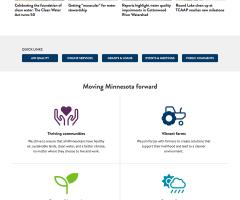
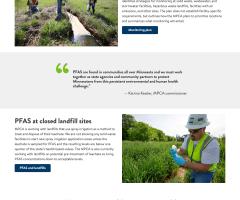
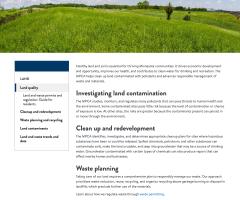
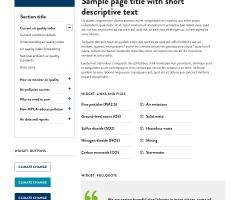
Moving into design, our team worked from MPCA's existing brand and print materials to extend it into a more engaging, focused online presence. Through wireframes we explored what to include on key pages and how to prioritize content across mobile and desktop.
We developed a design board applying brand colors and a new type system, created a family of icons to highlight key choices, and introduced stylized components for statistics and supporting quotes to break up and emphasize content. An entire system of design components was organized and shared with the client for the site rebuild.